Gravity Sketch by far is as close to thinking about something and it falling out of your head as a model. The most INTUITIVE, 3d EXPLORATION software i have used in 30years of DESIGNING in CAD
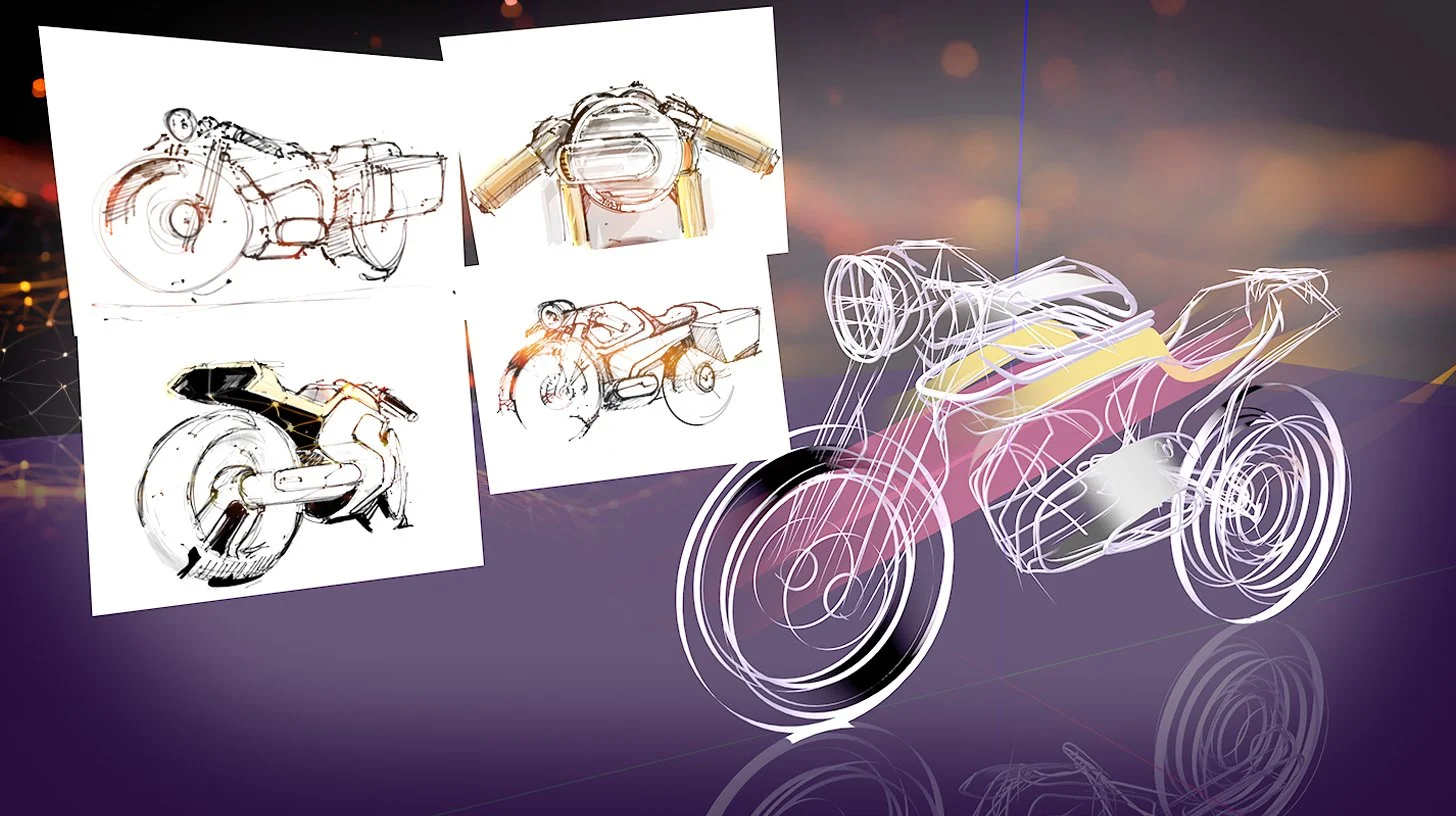
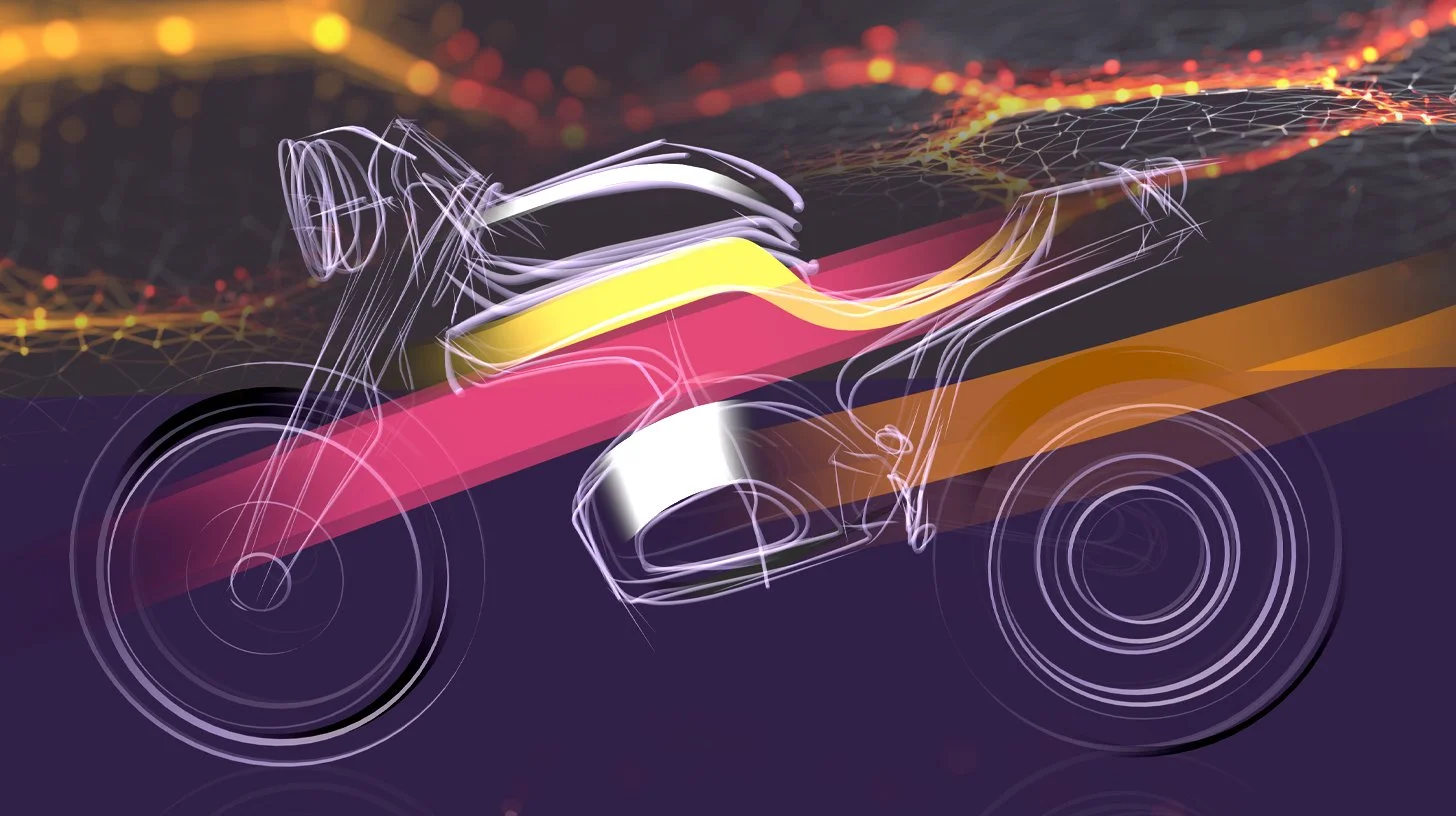
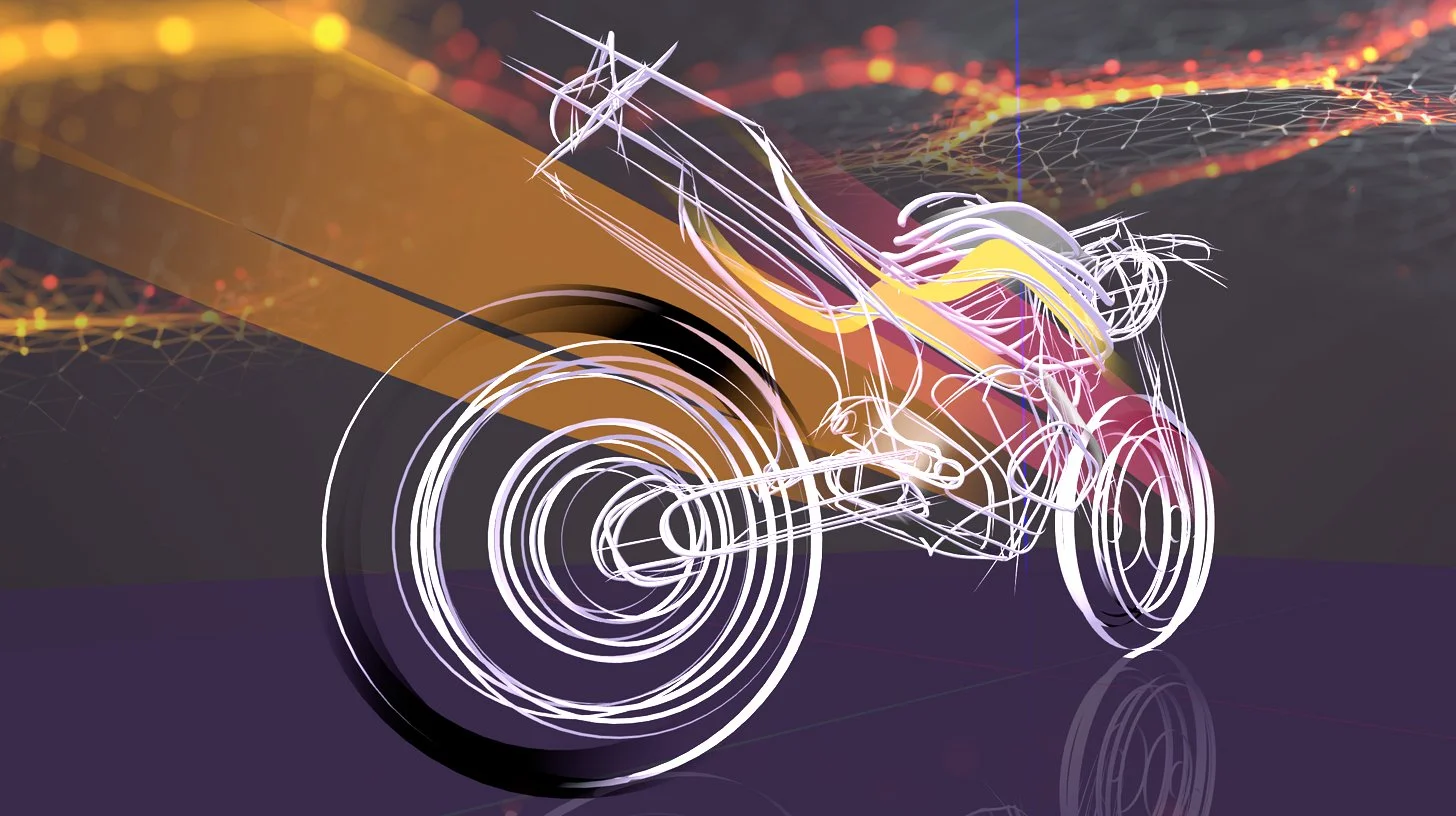
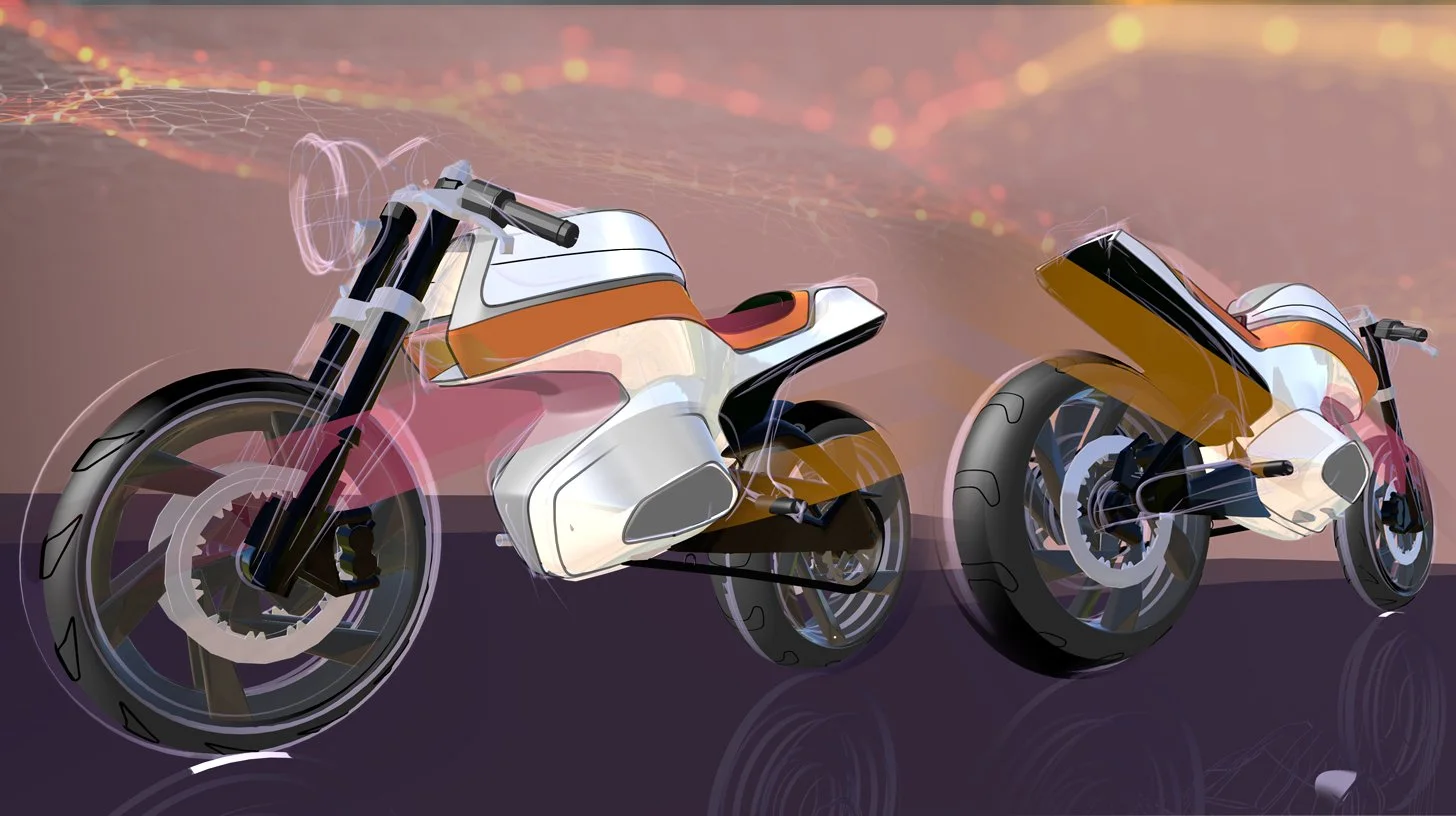
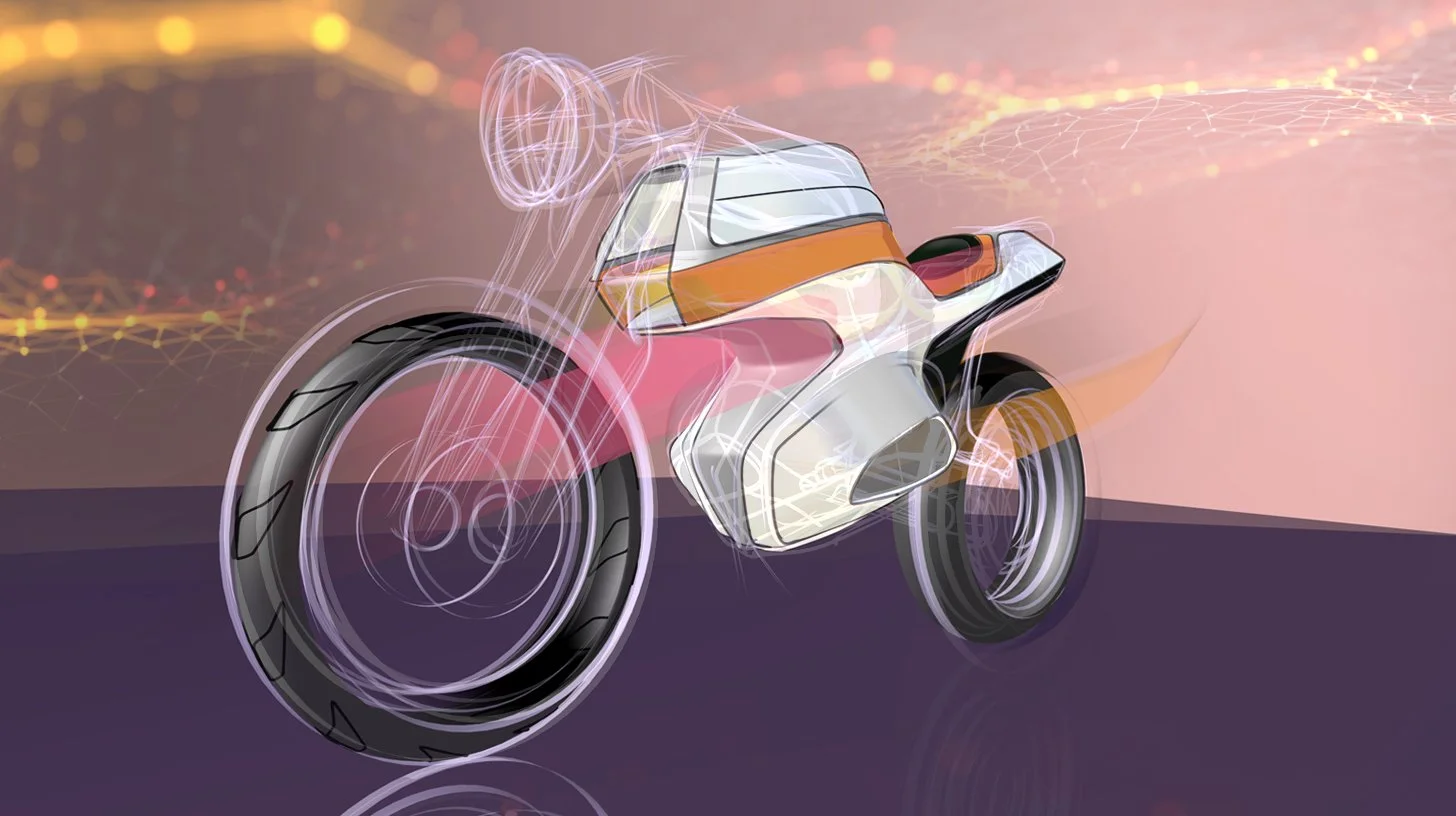
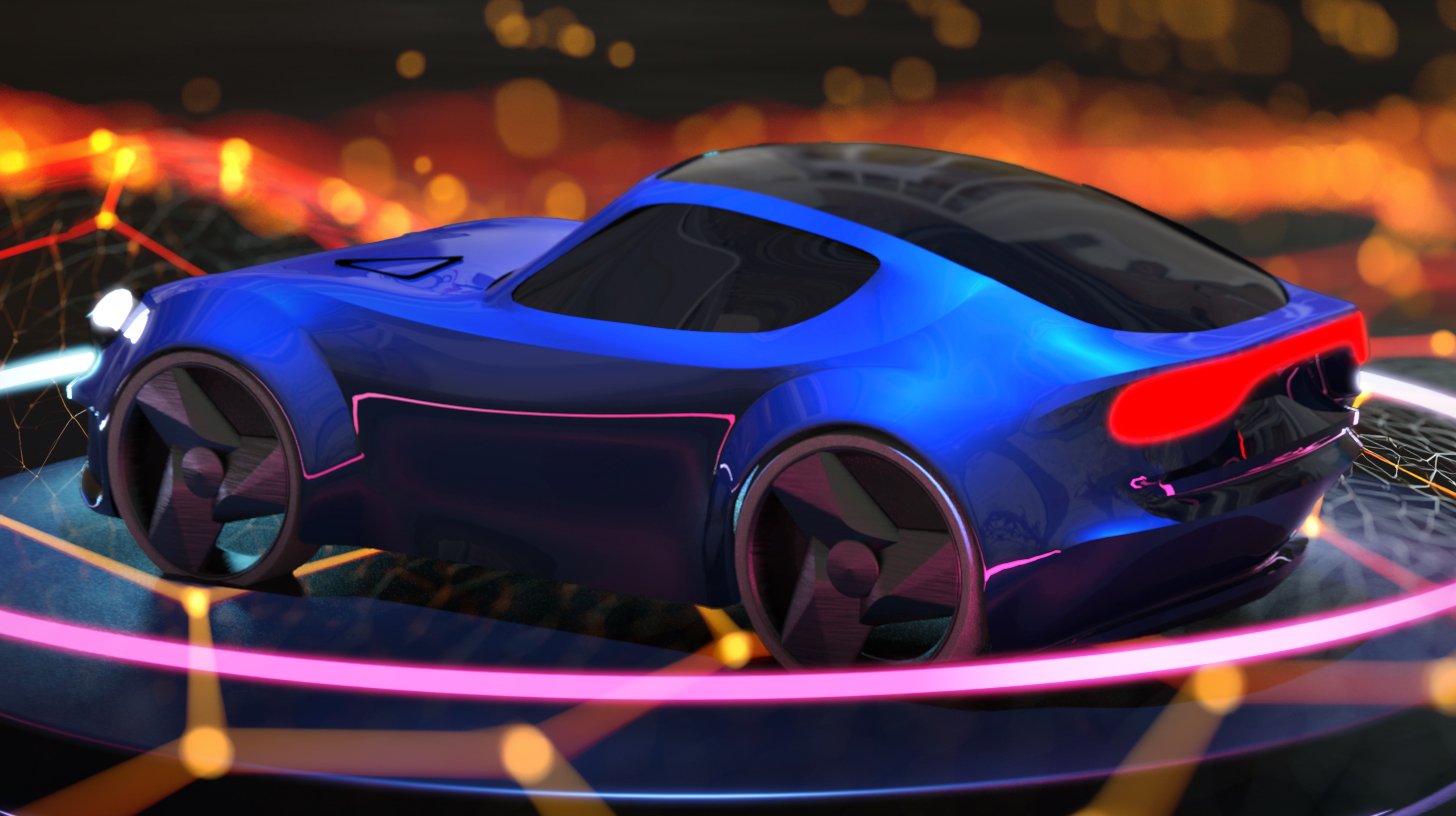
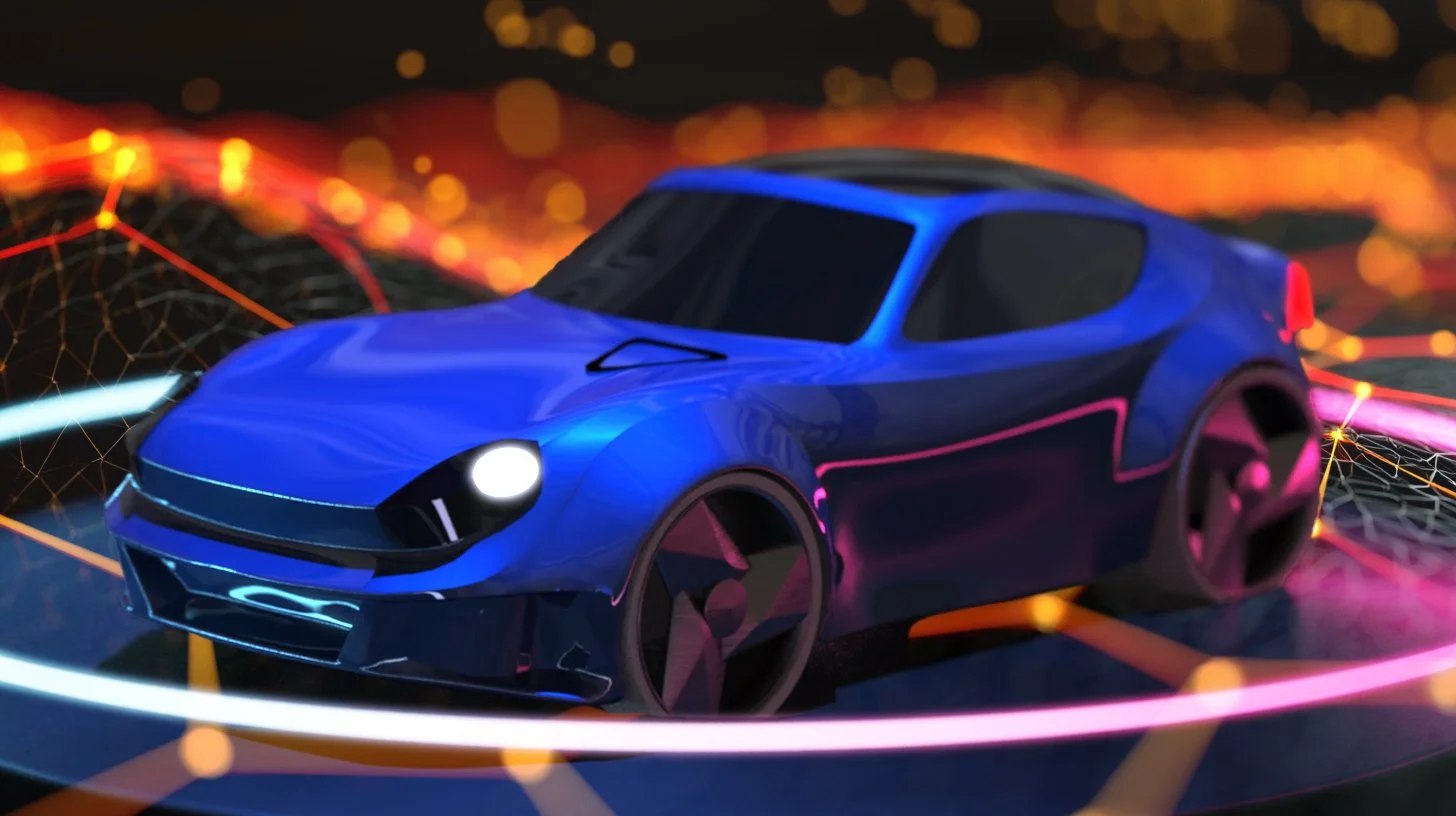
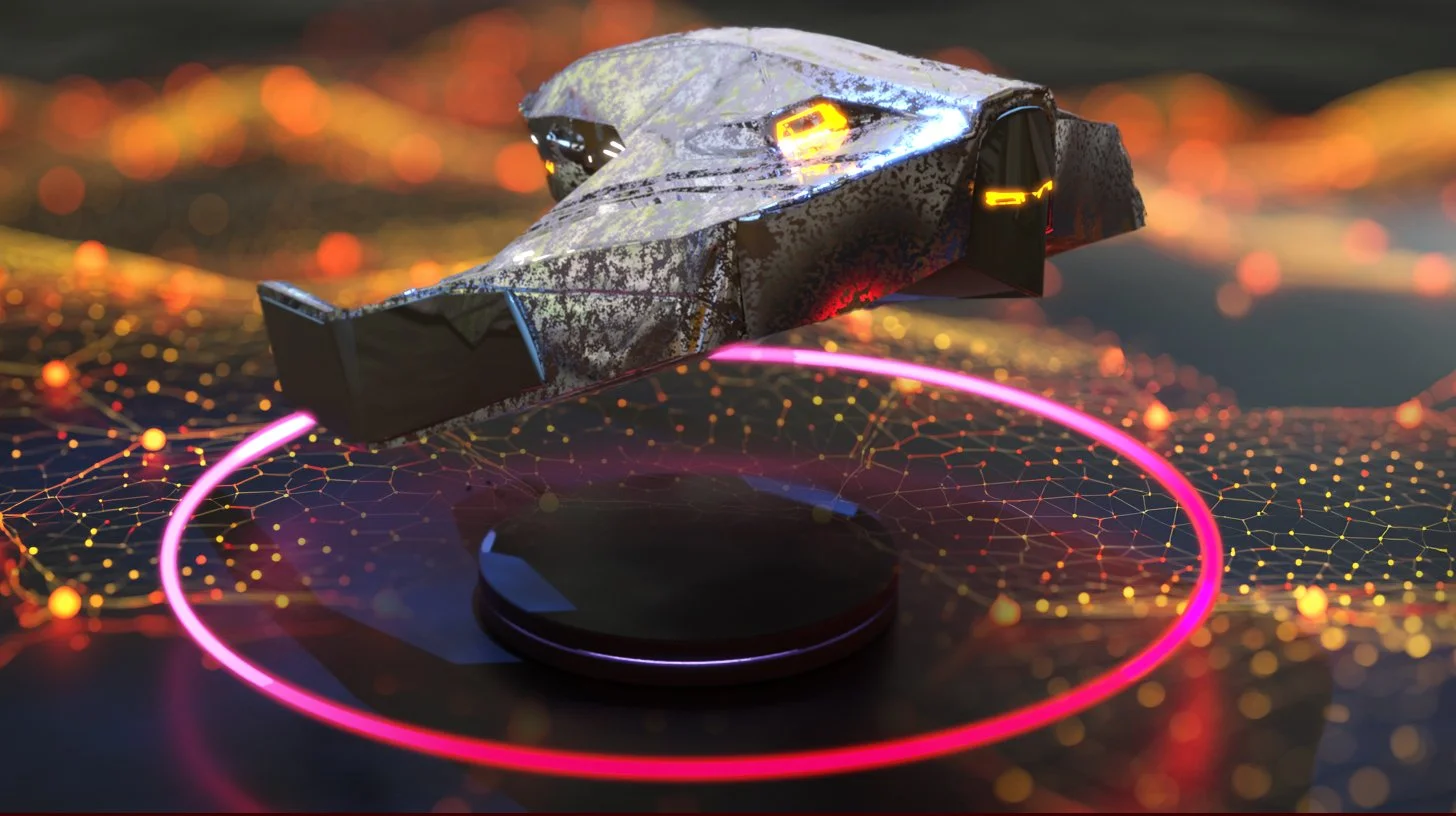
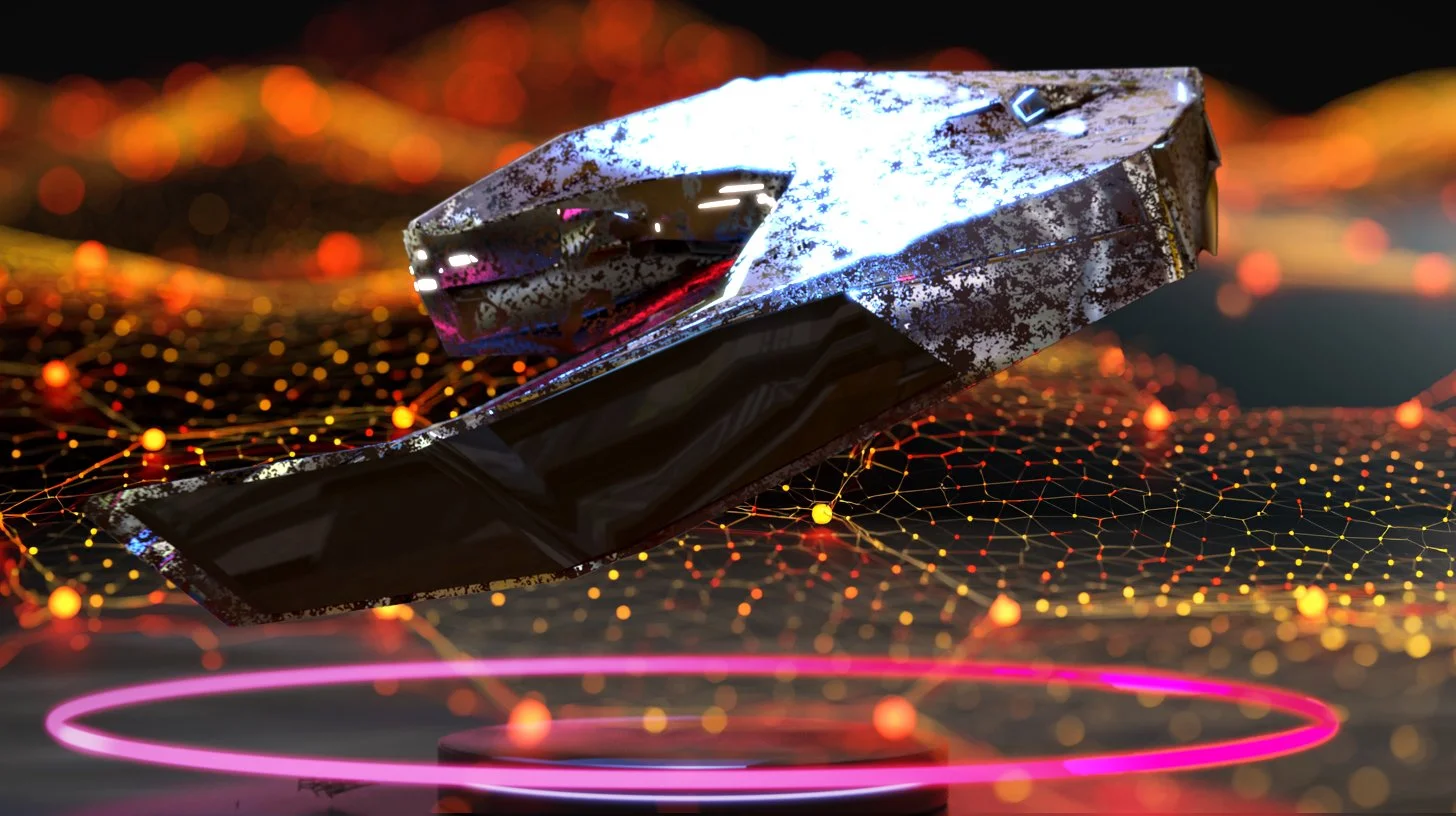
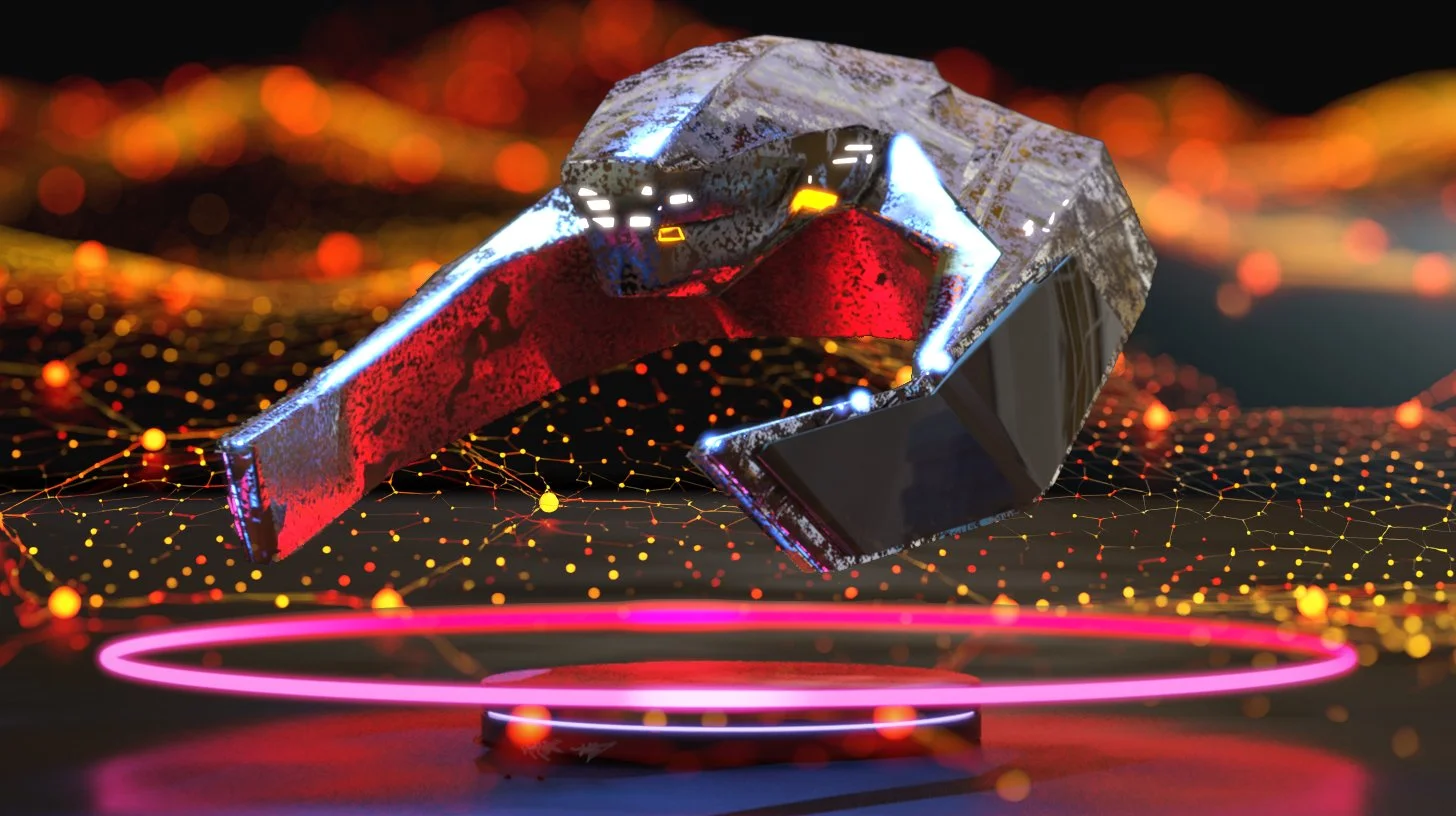
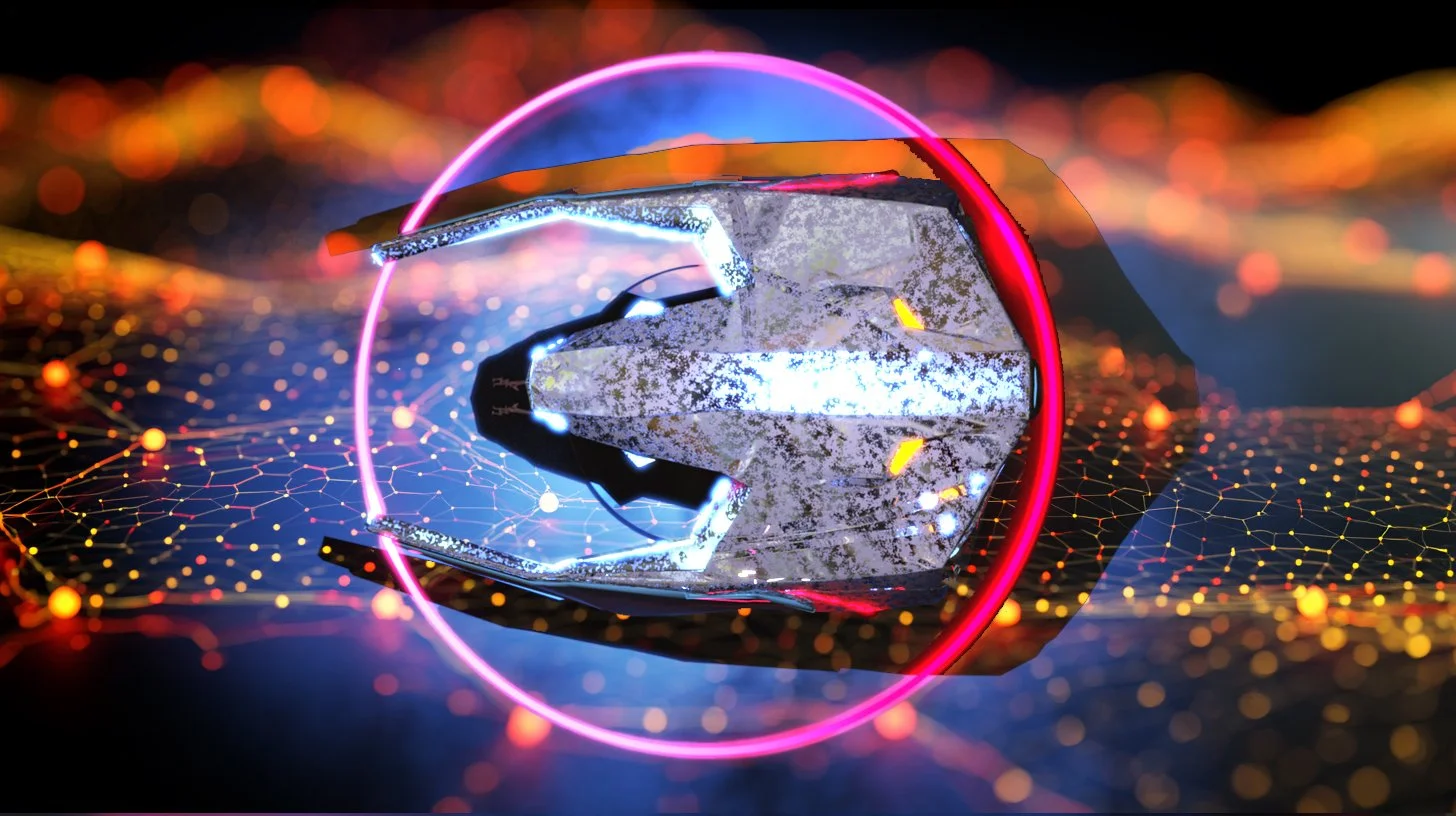
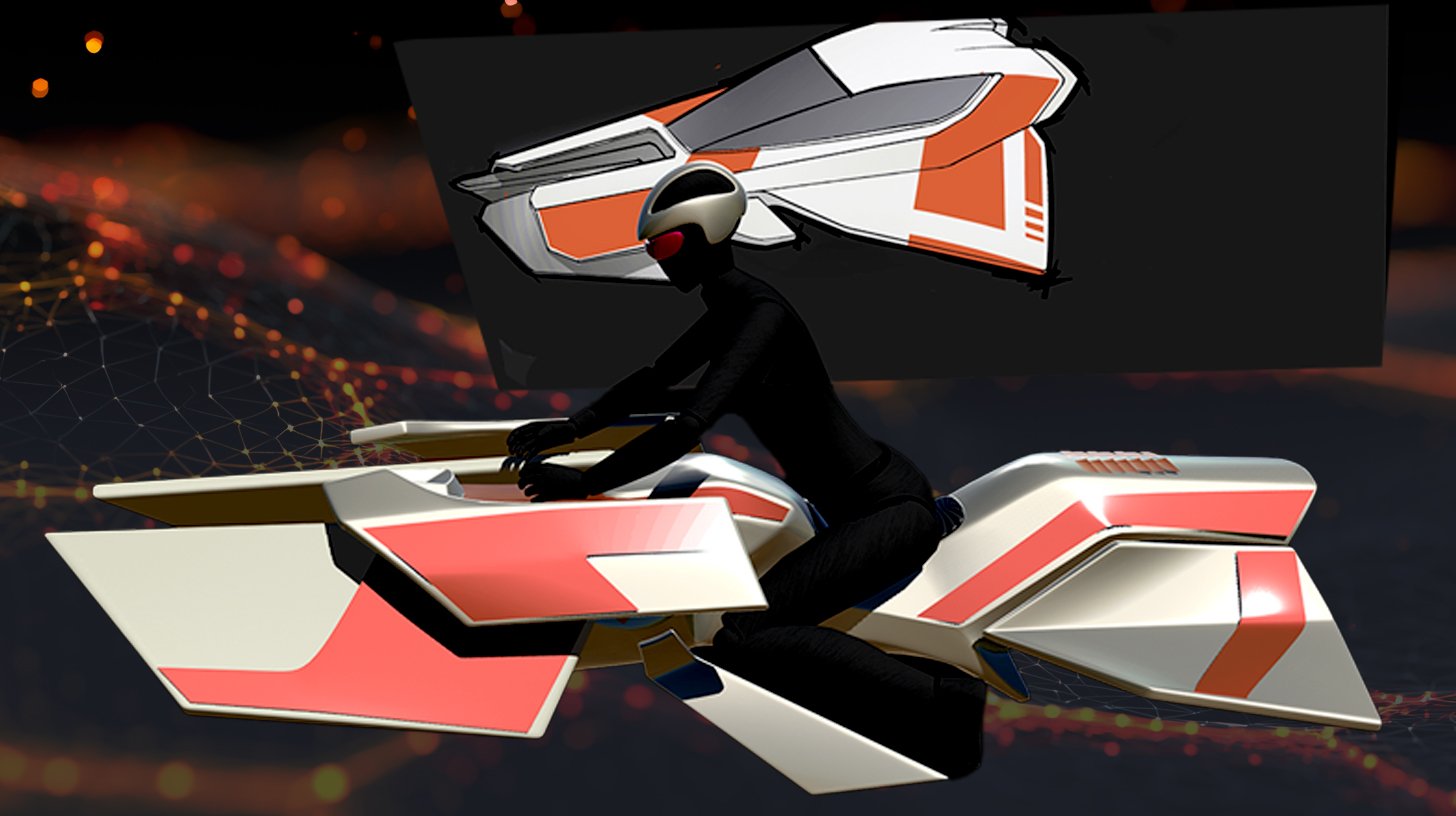
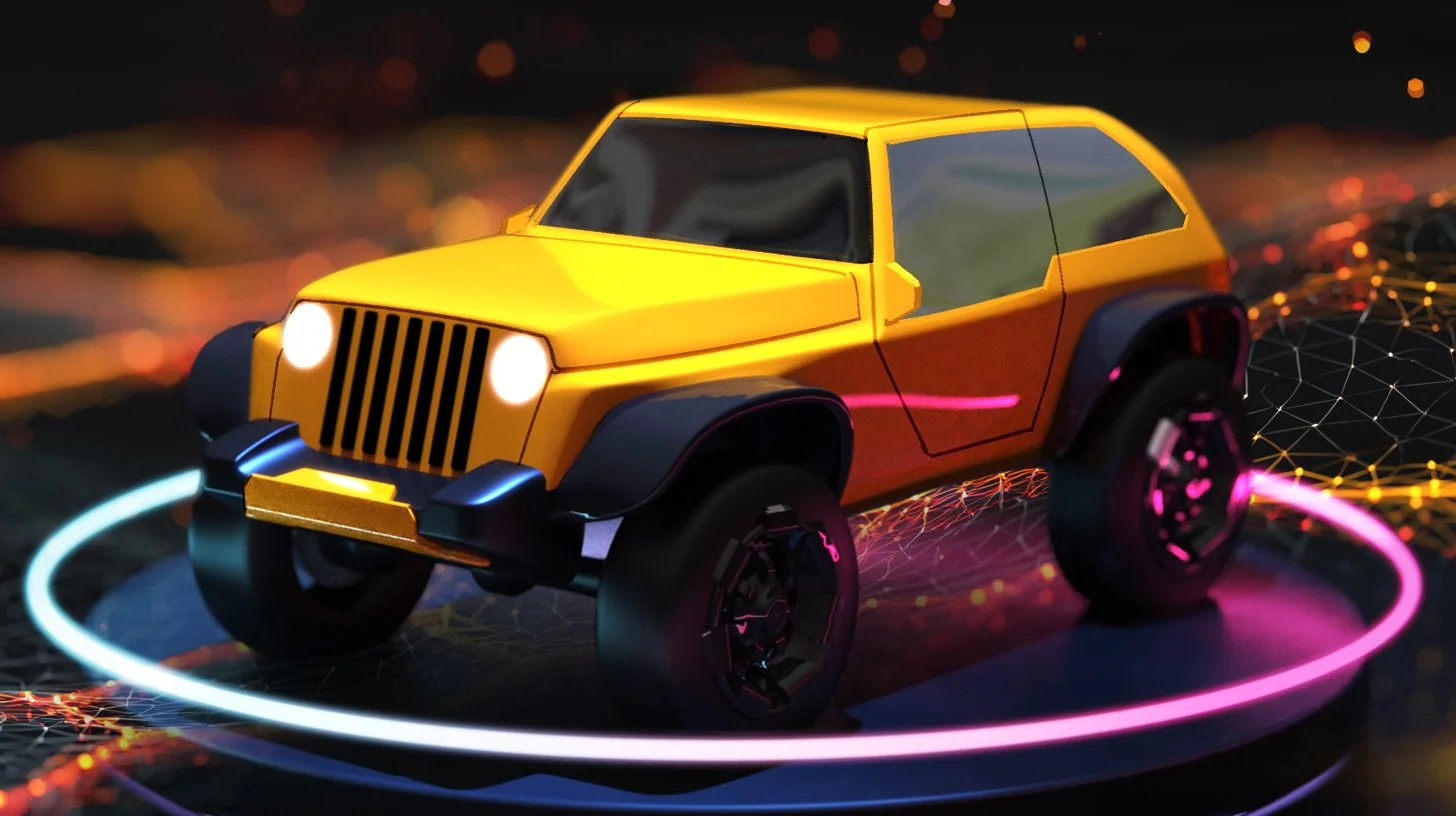
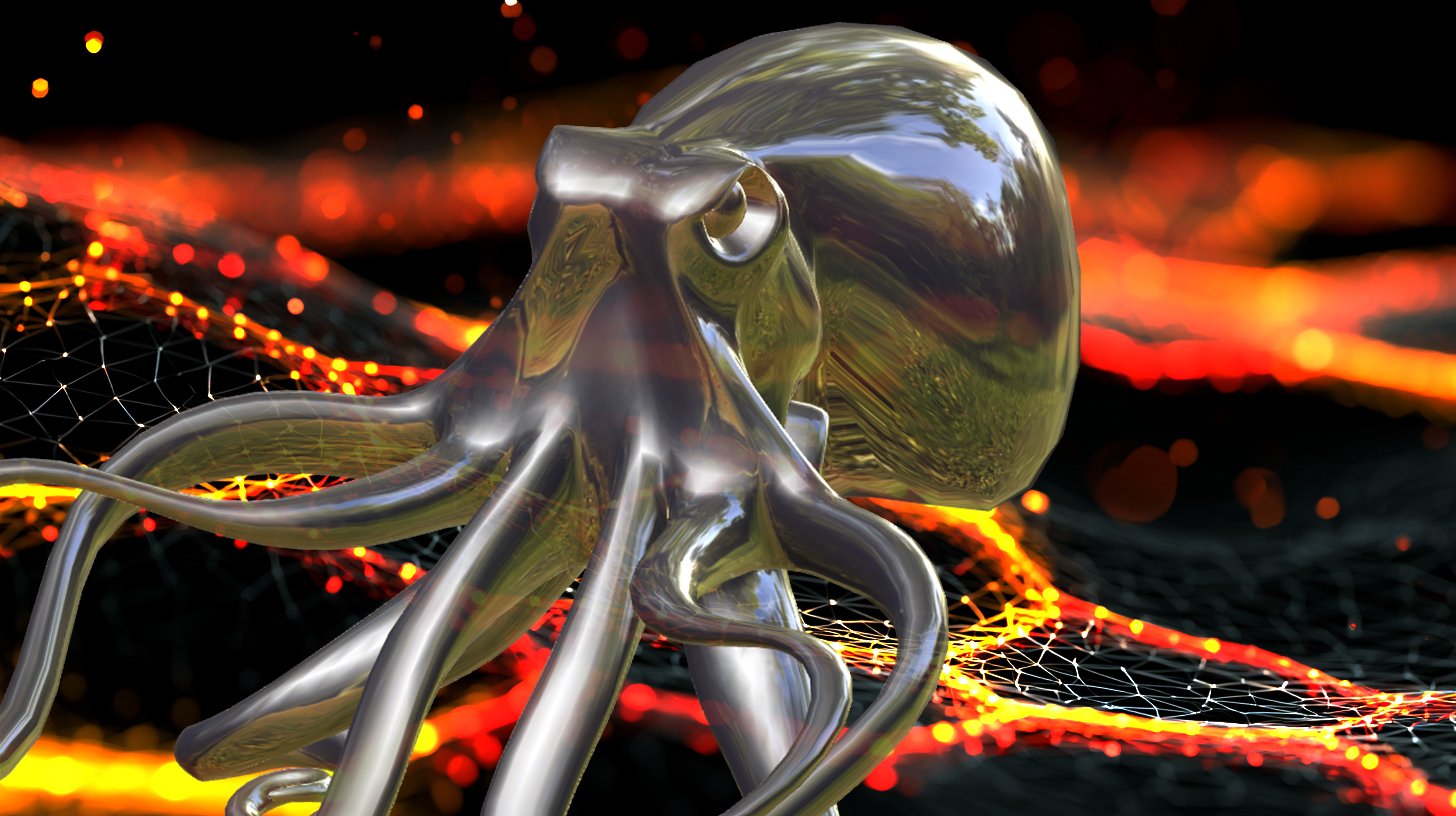
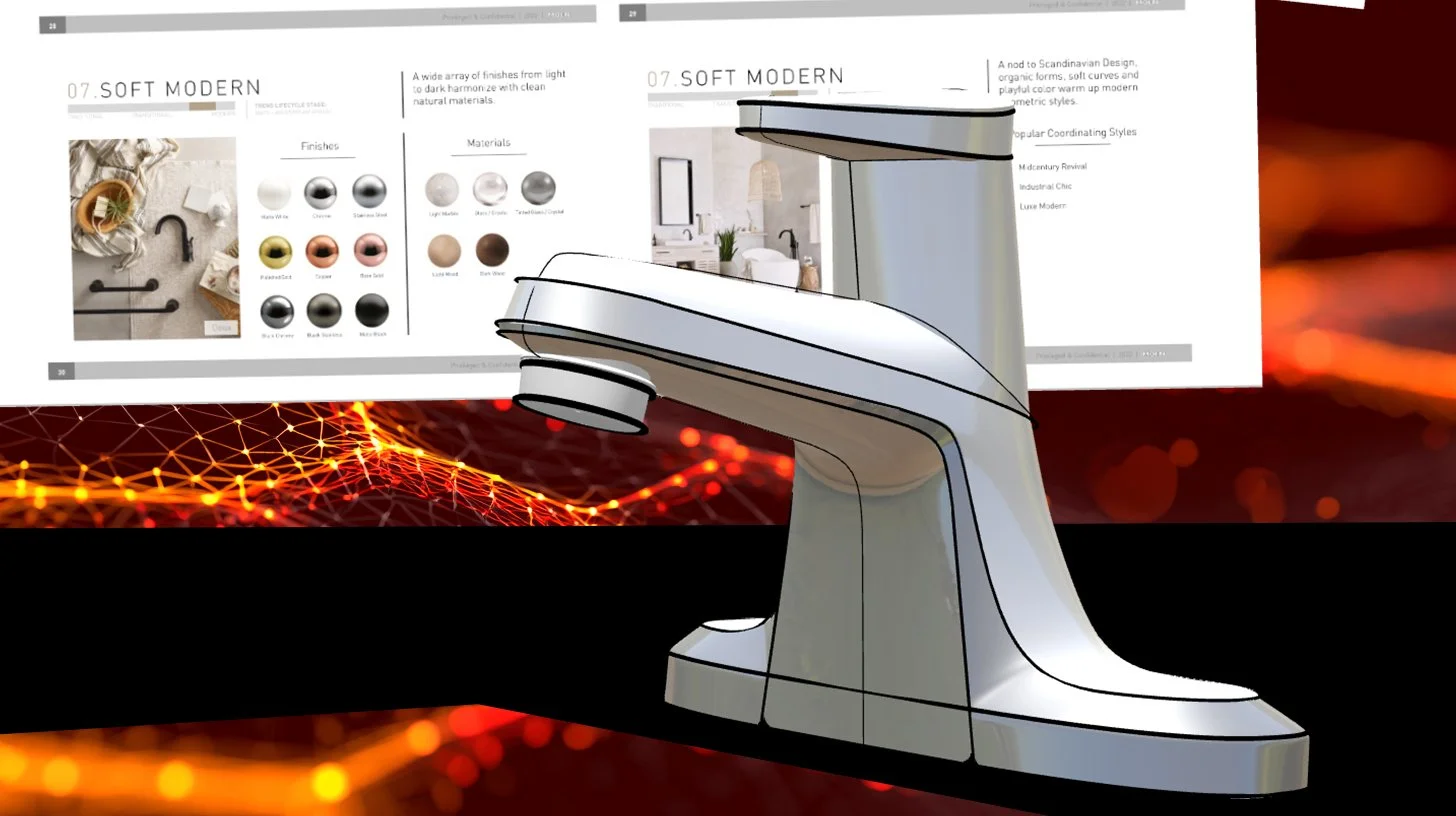
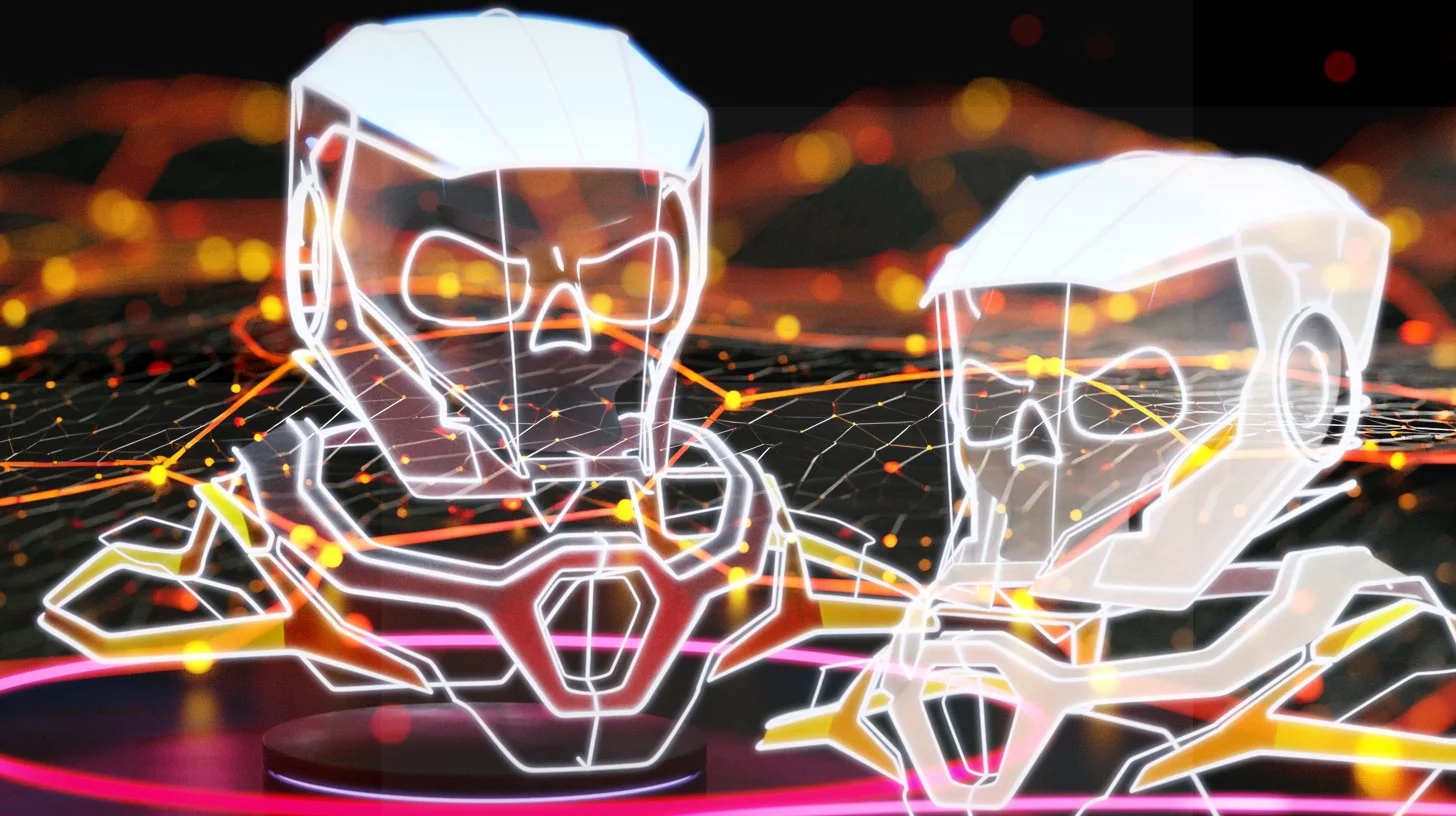
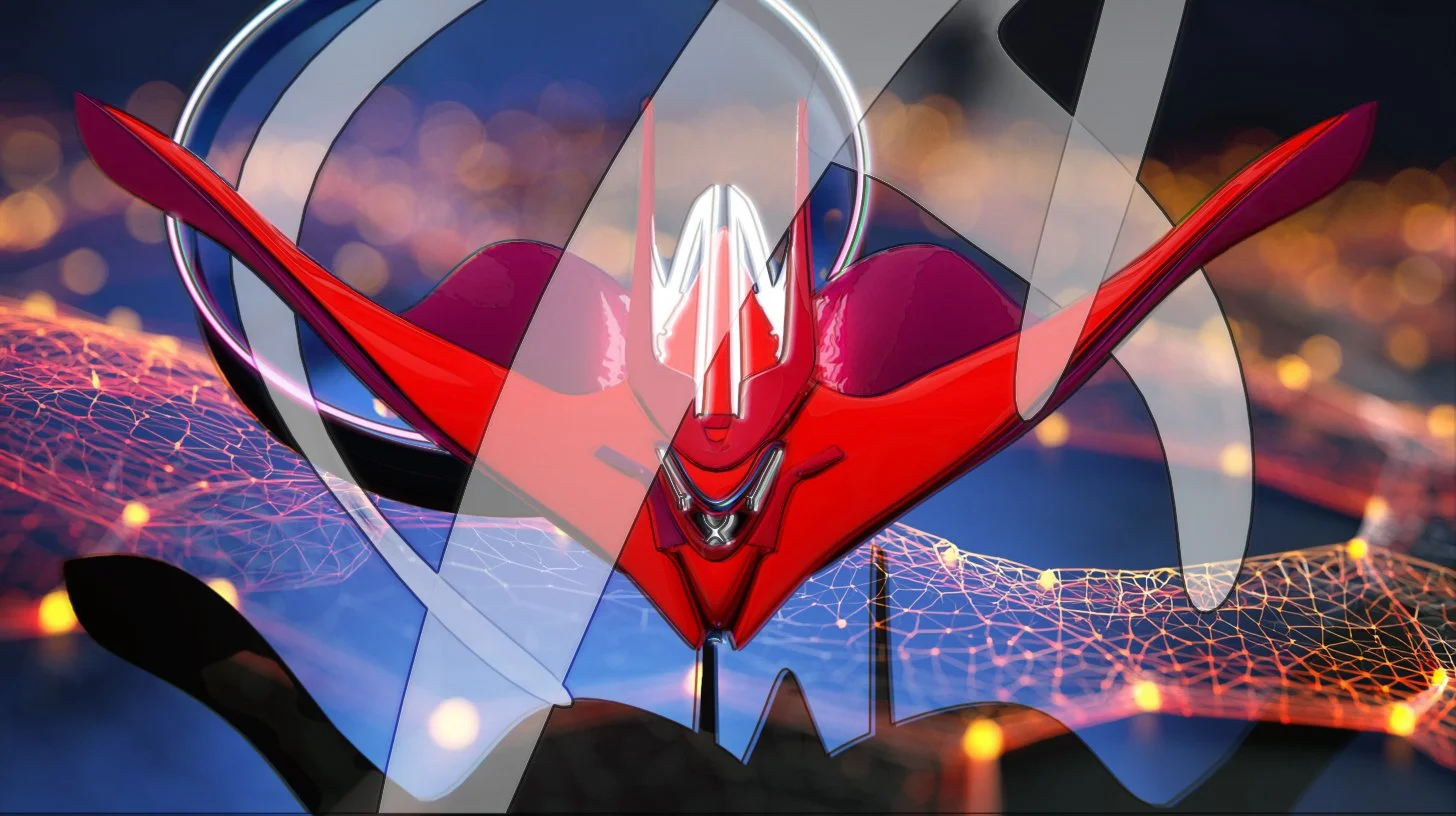
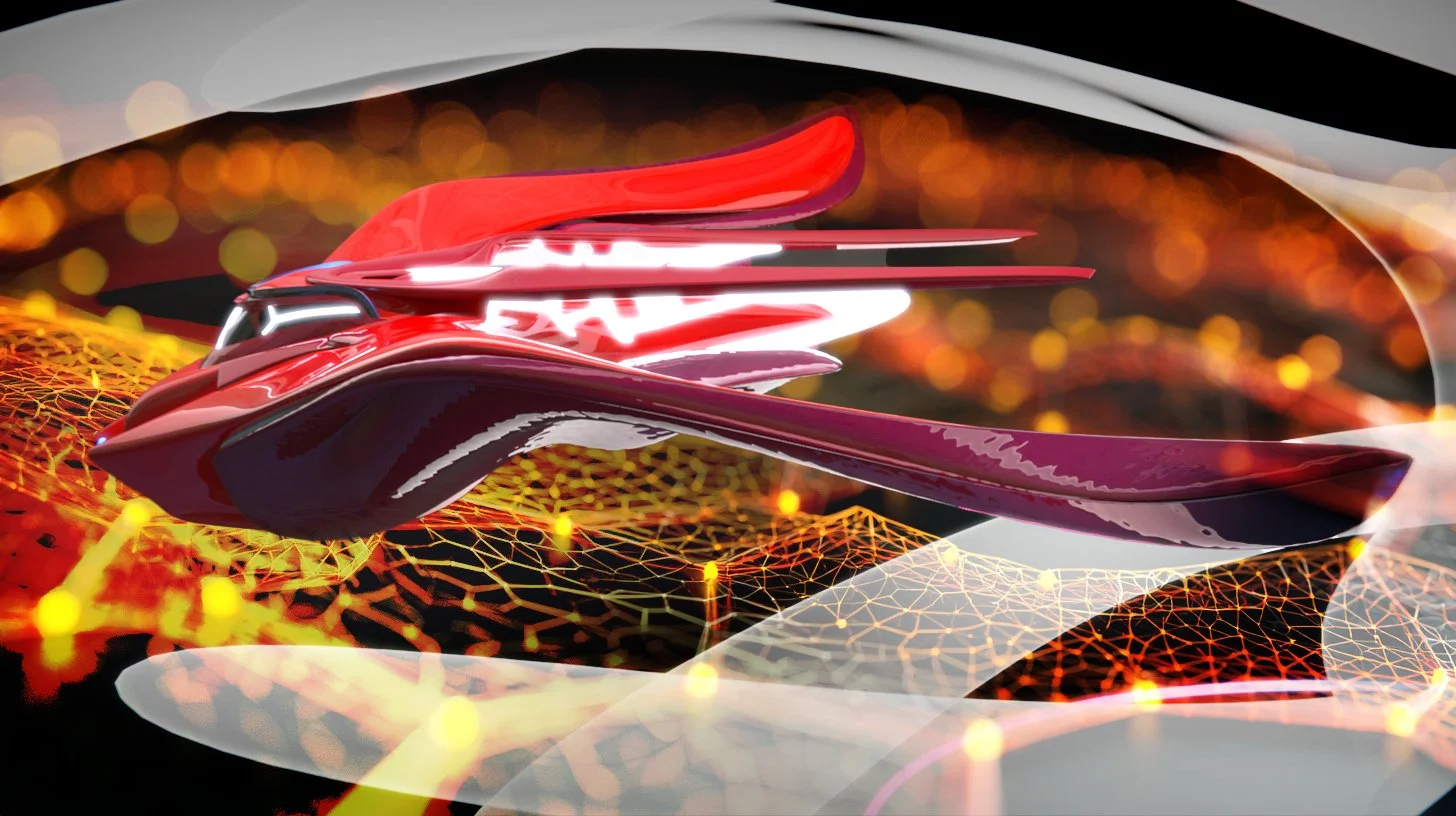
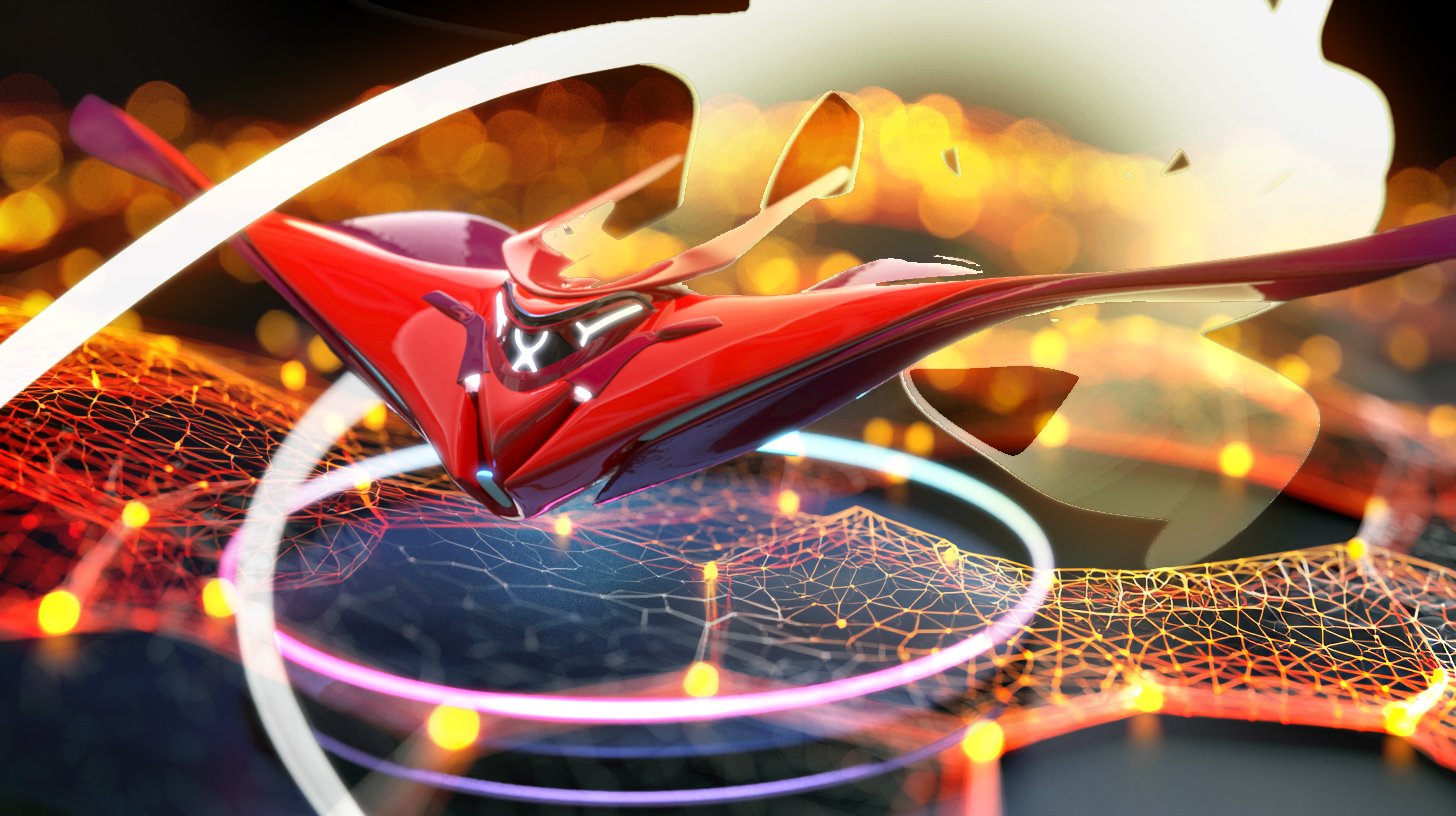
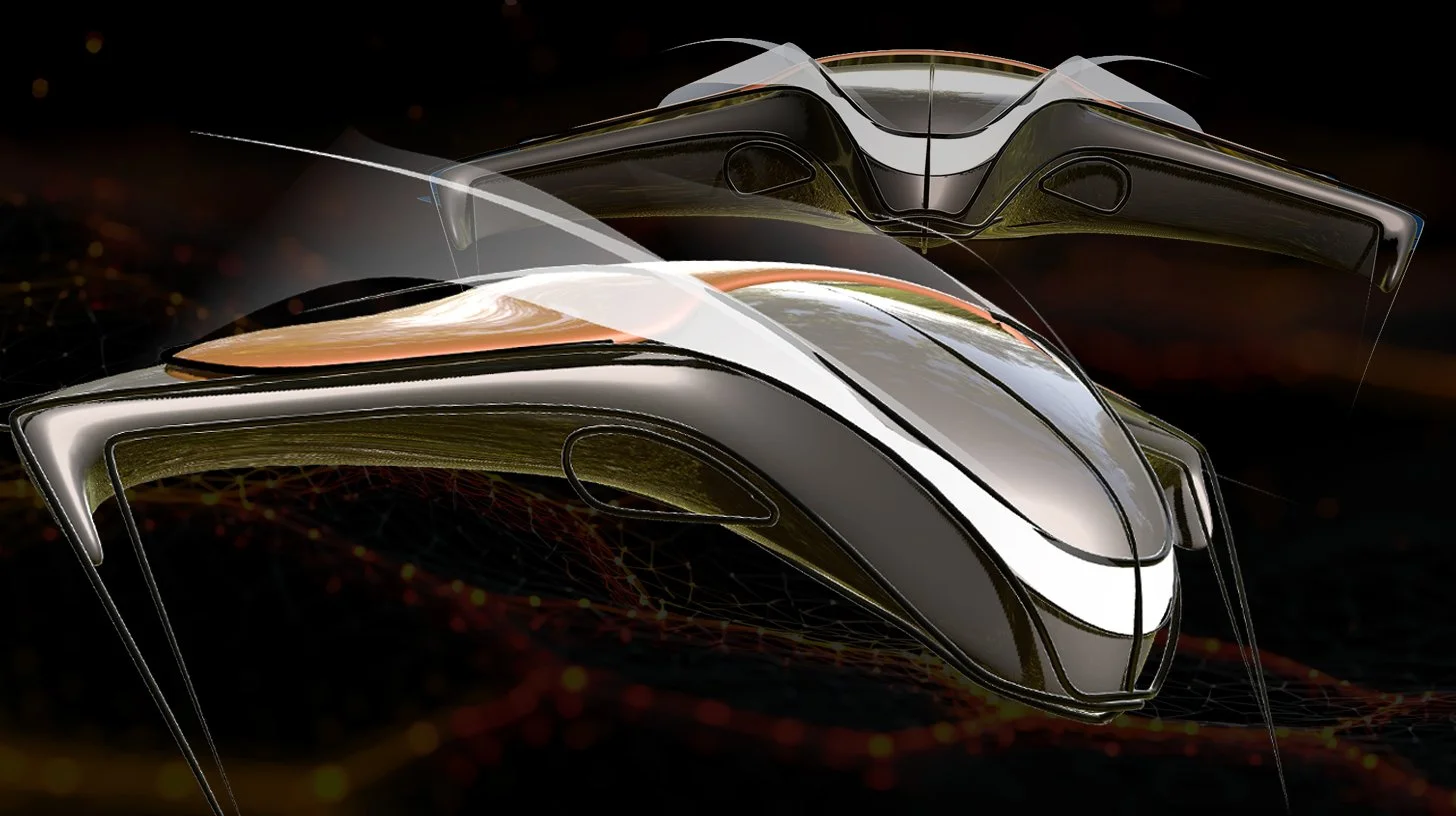
As a professor at the Cleveland Institute of Art, I teach product design and transportation design. Here is a collection of personal projects and class demonstrations that illustrate my approach. The work demonstrates pushing the boundaries of Gravity Sketch as a modeling tool; the immediacy of quick sketching combined with the capacity to develop refined, high-quality surfacing is a central aim. These pieces explore iterative thinking, material expression, and the translation from concept to polished form.
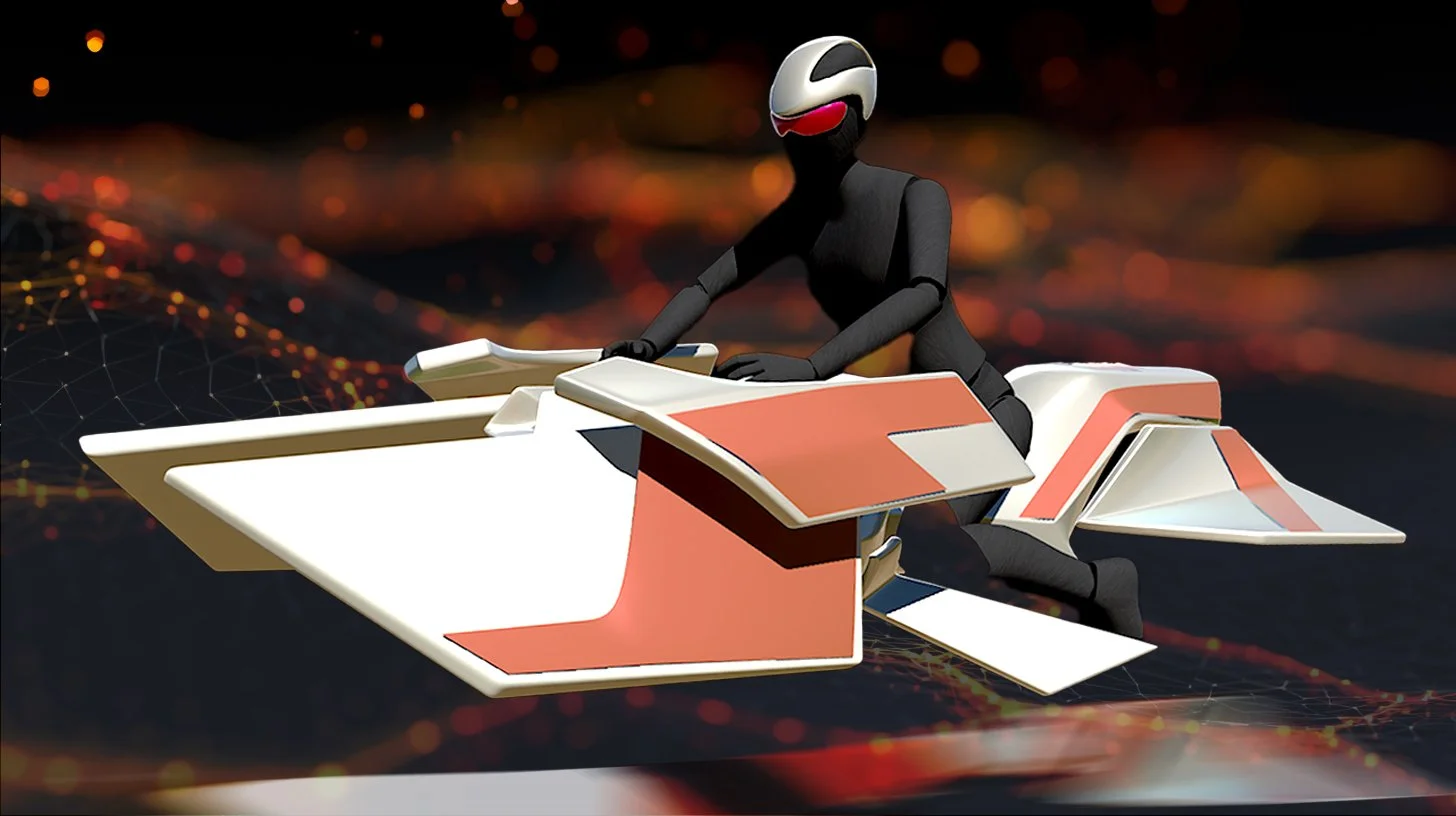
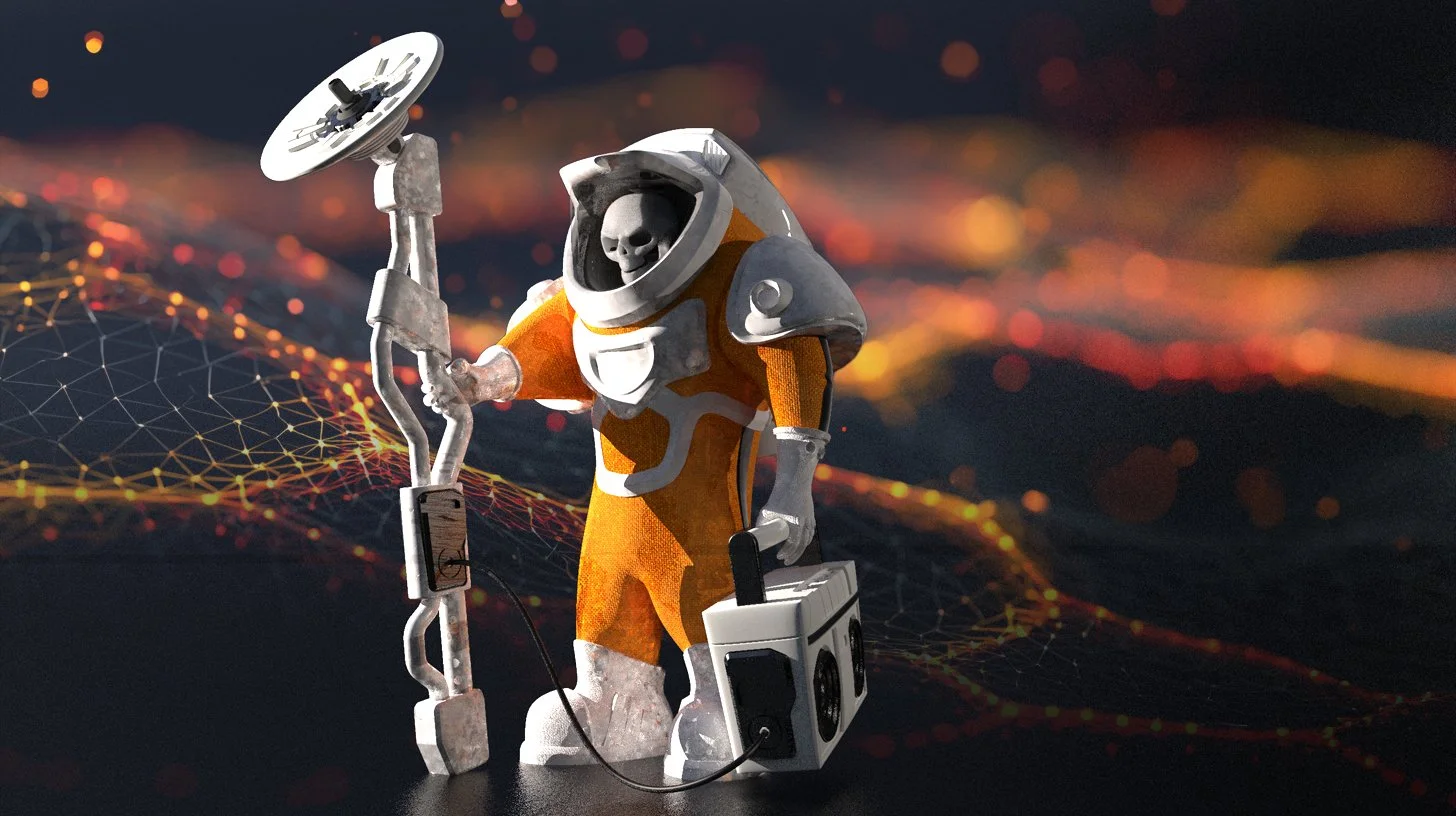
The Space DJ build: character design feels like an excellent match for Gravity Sketch. I'm exploring a character build for a short story and testing how personality and silhouette translate into 3D. The SubD modeling tools in Gravity Sketch are intuitive and versatile, making them well suited to a wide range of modeling styles and creative workflows.
I find the connection from Gravity Sketch to other programs pretty seamless. The end result of the Space DJ flowed from Gravity Sketch into Fusion 360 and then into KeyShot. Whether I’m moving a model into solids modeling for prototype builds and adding functional details, using Alias for advanced surface development, or shifting into Blender, Maya, or KeyShot for rendering and animation, Gravity Sketch is a key element in many of my projects.
The next level in design is figuring out how to build in real time, in the real world. My time working with the clay sculptors in the GM design studios taught me the realities of sculpting and surfacing, the importance of touch, proportion and seeing a form from every angle to truly understand it in physical form. Years spent in Alias, Fusion, Maya, Blender and SolidWorks give you a solid sense of what you’re creating and how each part will interact with the rest of the design. VR changed that dynamic, which is one of the reasons I added it to my curriculum. Below is an exercise to test whether I can replicate the real-world feel of an automotive clay studio while working out in my own driveway (don’t mind the leaves). Over the years I’ve gradually modified my BMW R1100GS, and I’ve long wanted a small fairing to replace the stock windscreen. Here I explore developing that fairing in VR using passthrough mode at a true 1:1 scale. A genuine game changer.
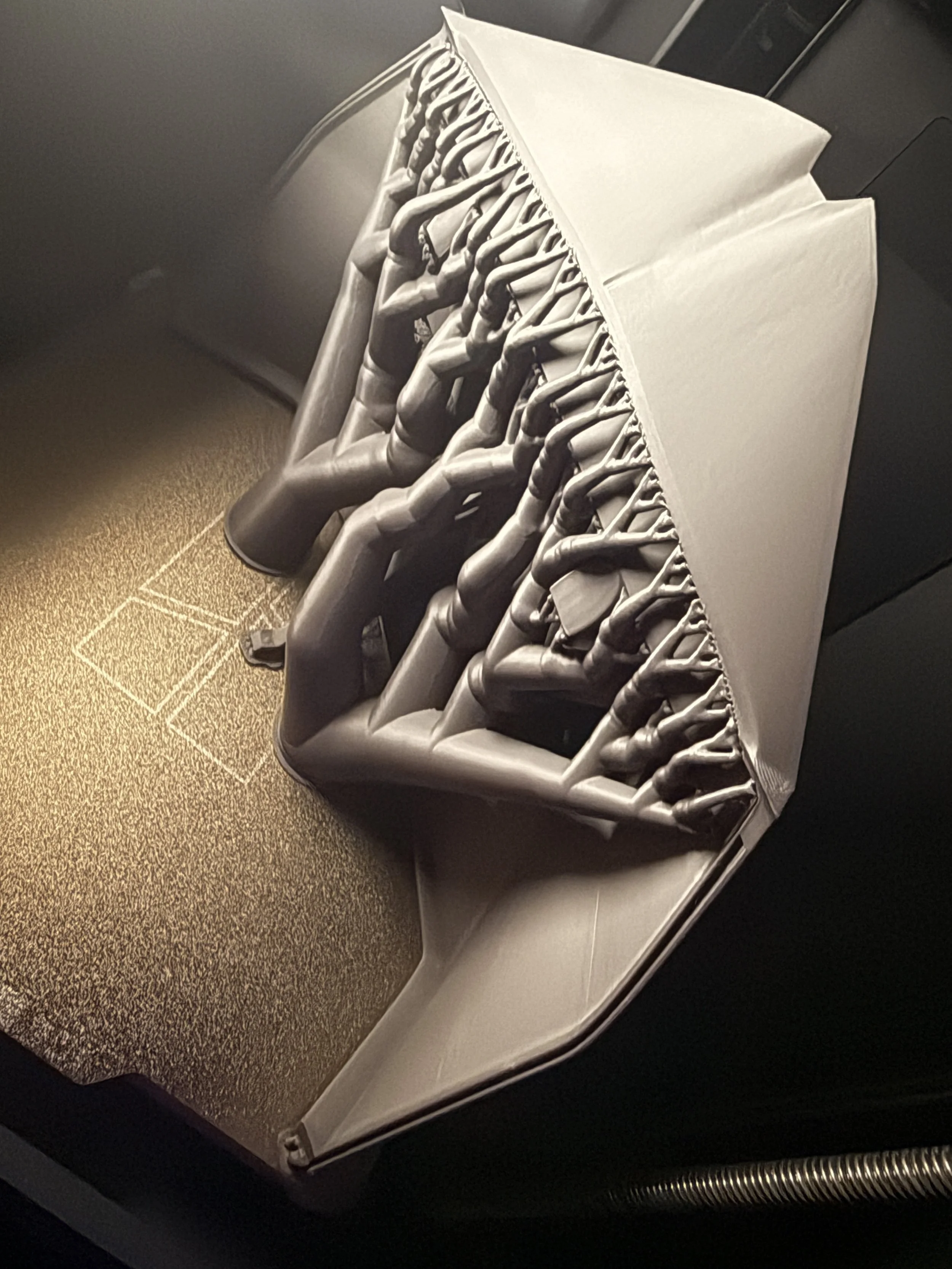
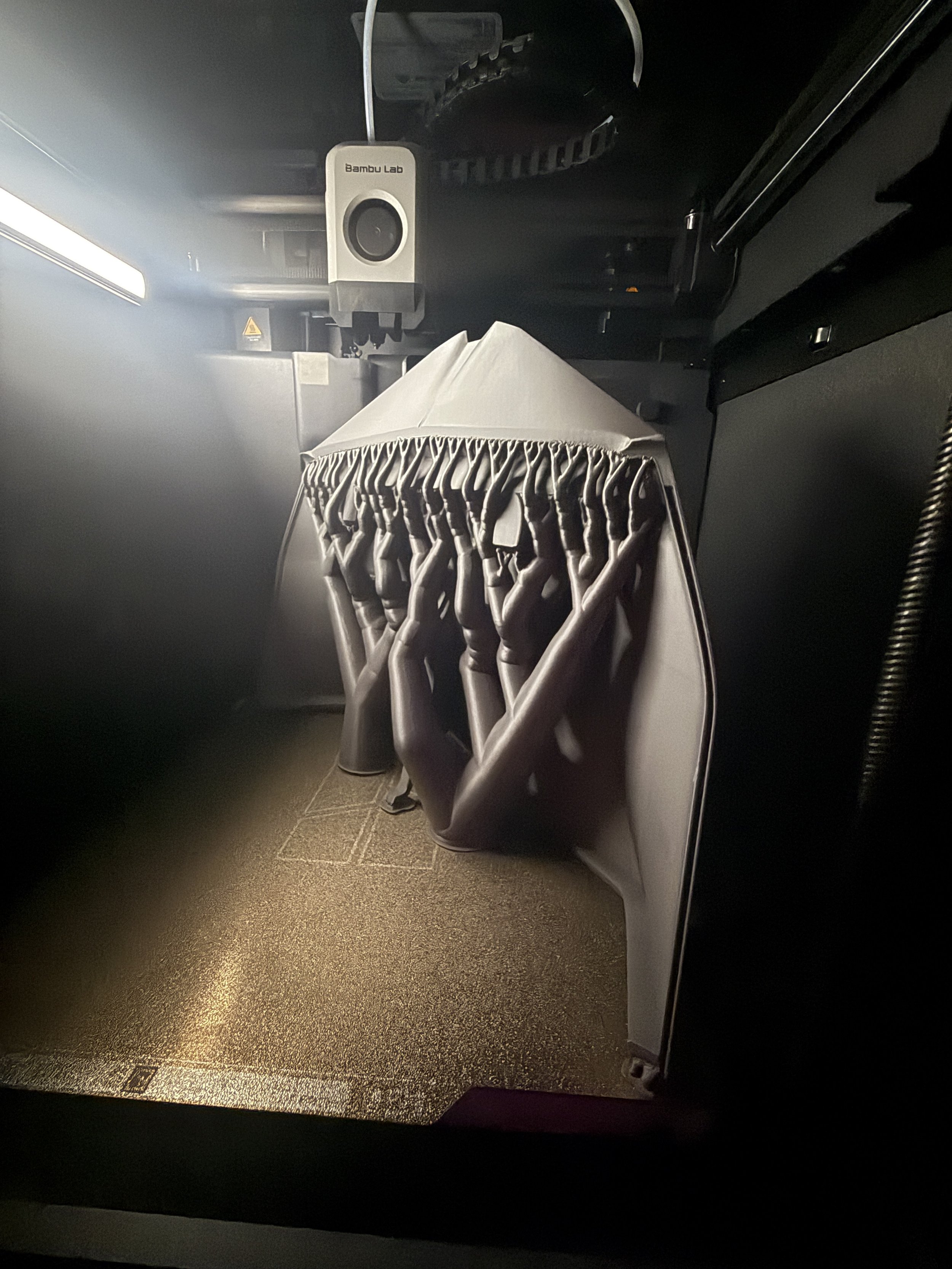
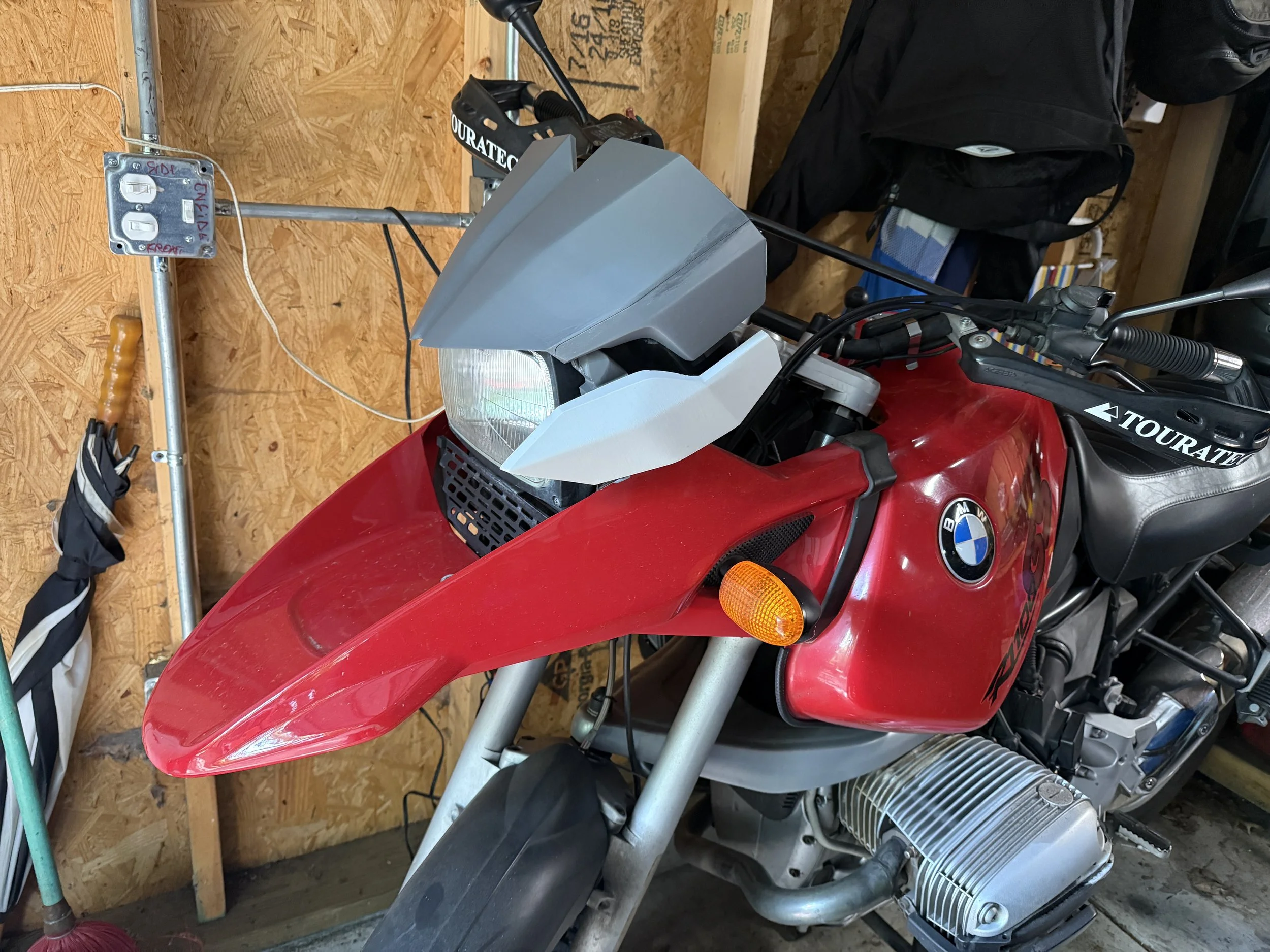
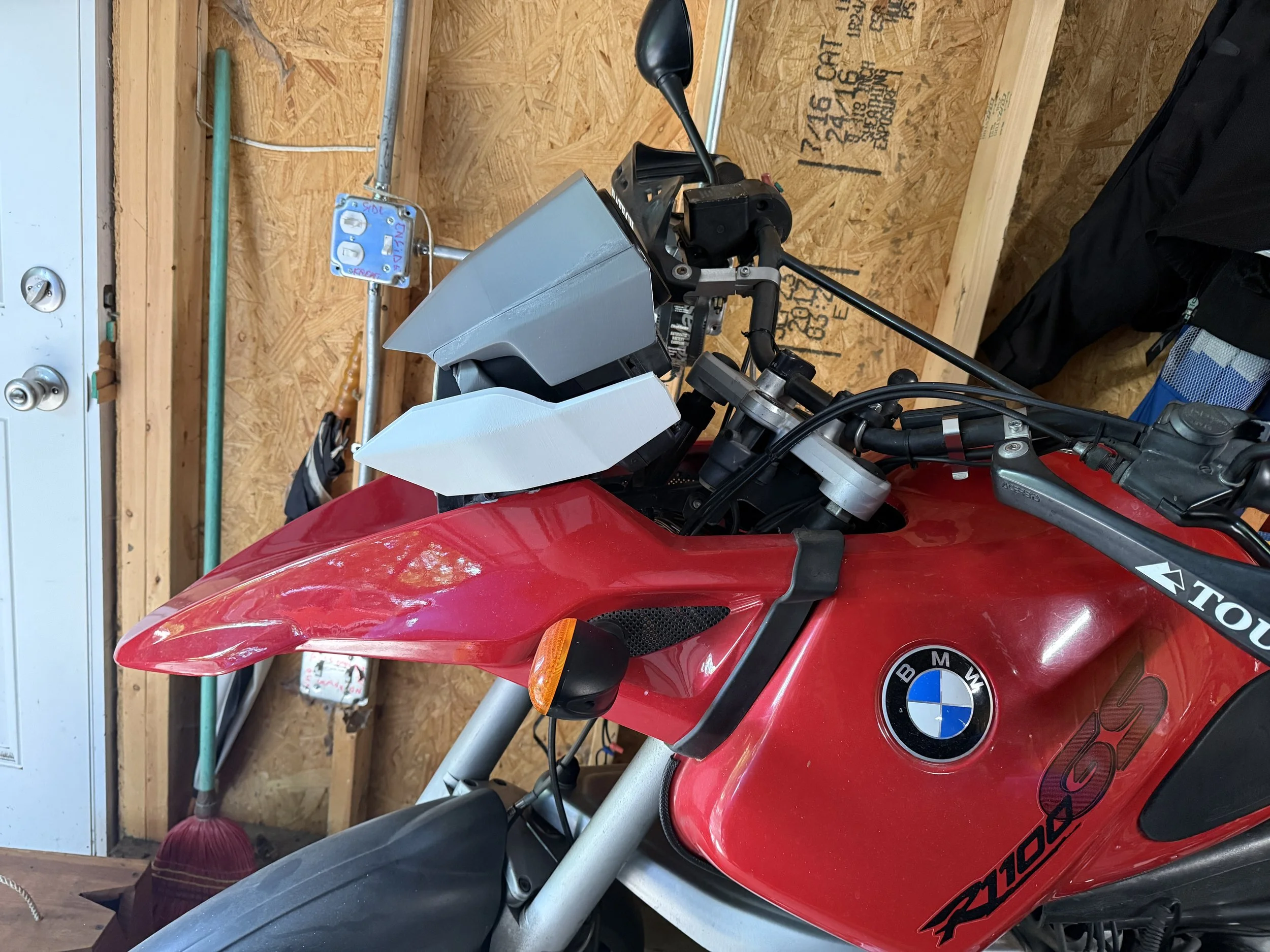
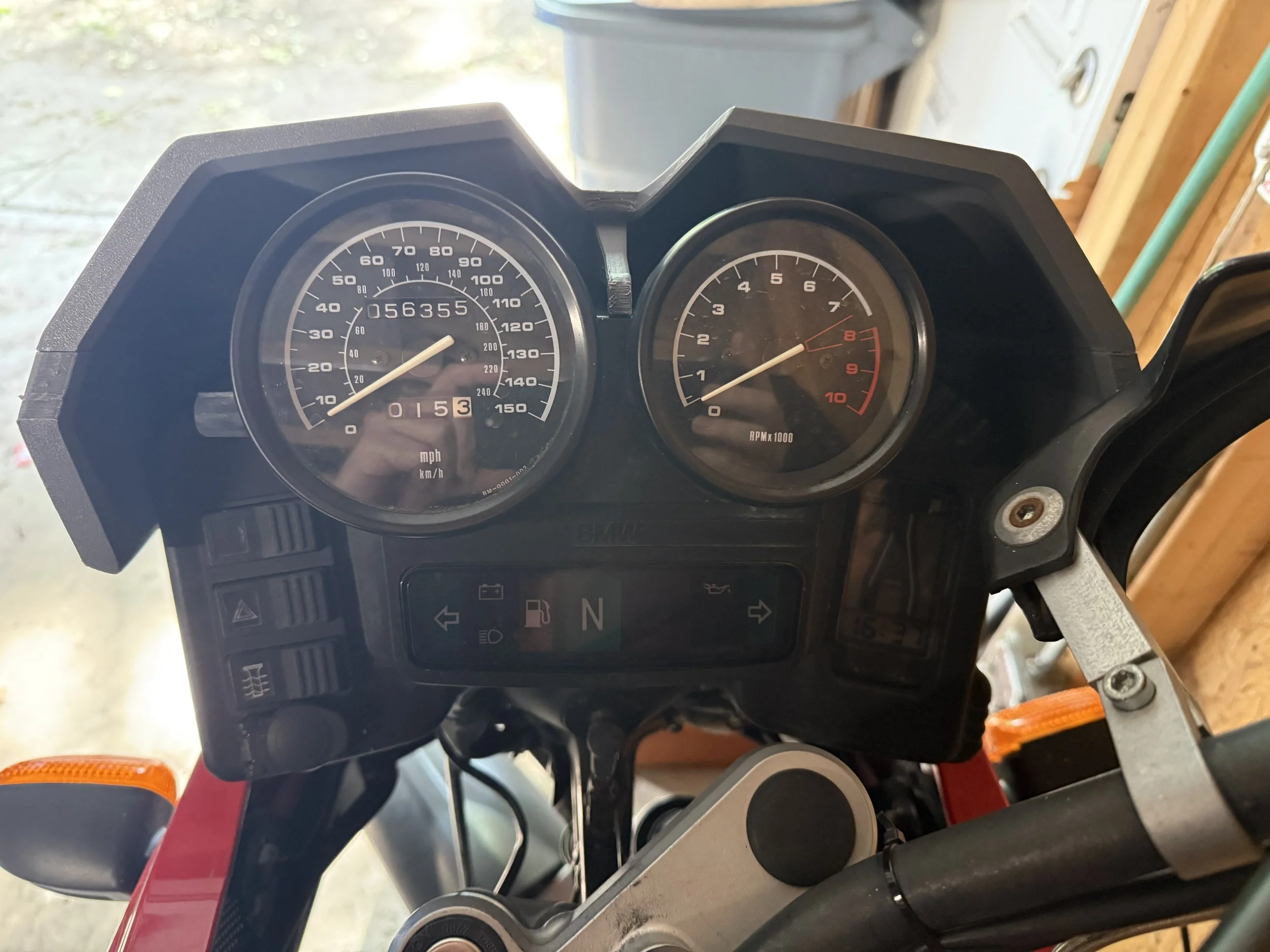
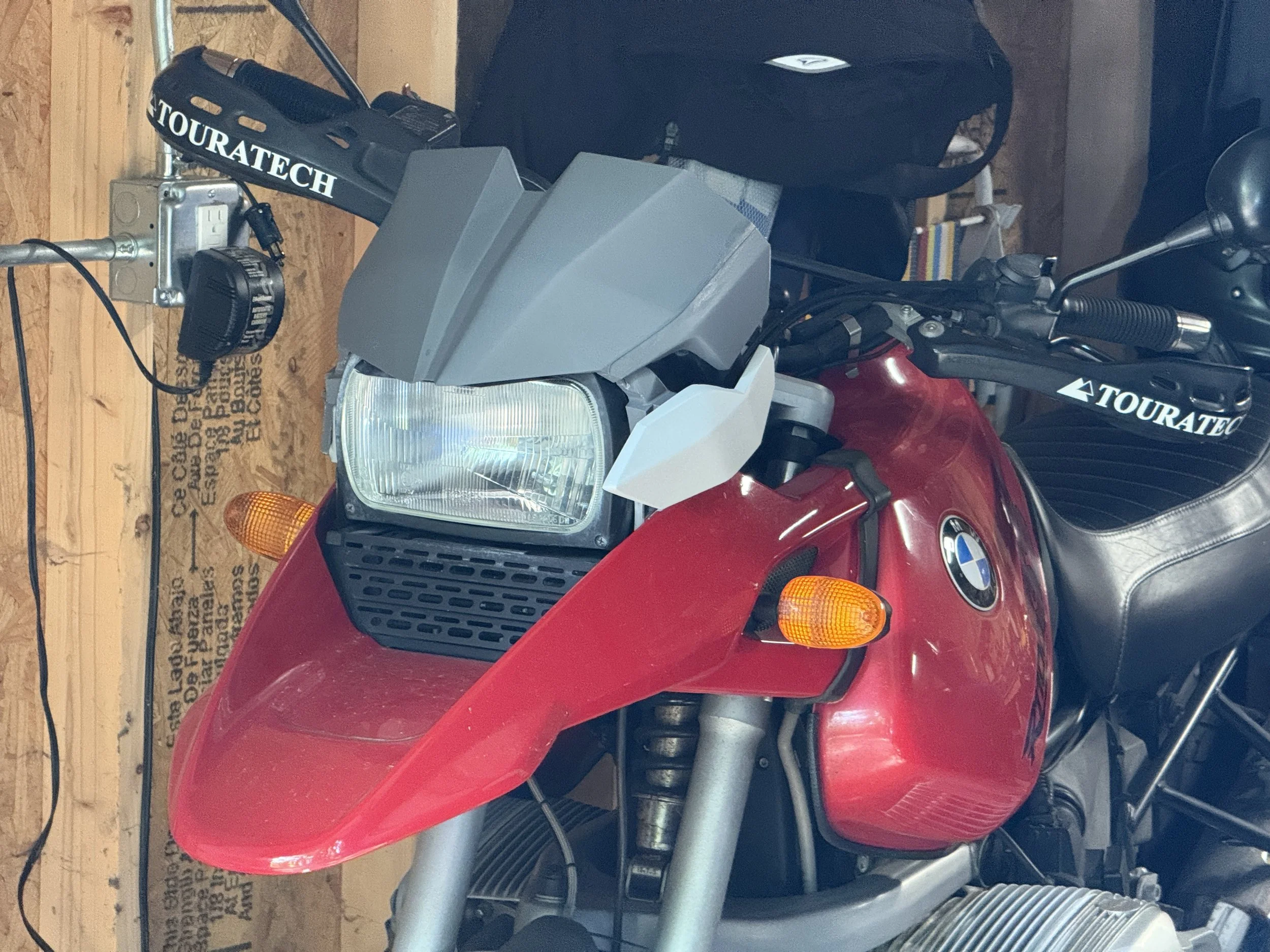
Placing scan data in AR over the structure I am designing too. This is a genuine game changer. Being able to immediately visualize your design against the actual conditions and criteria allows for instant evaluation of form, fit, and spatial relationships.